
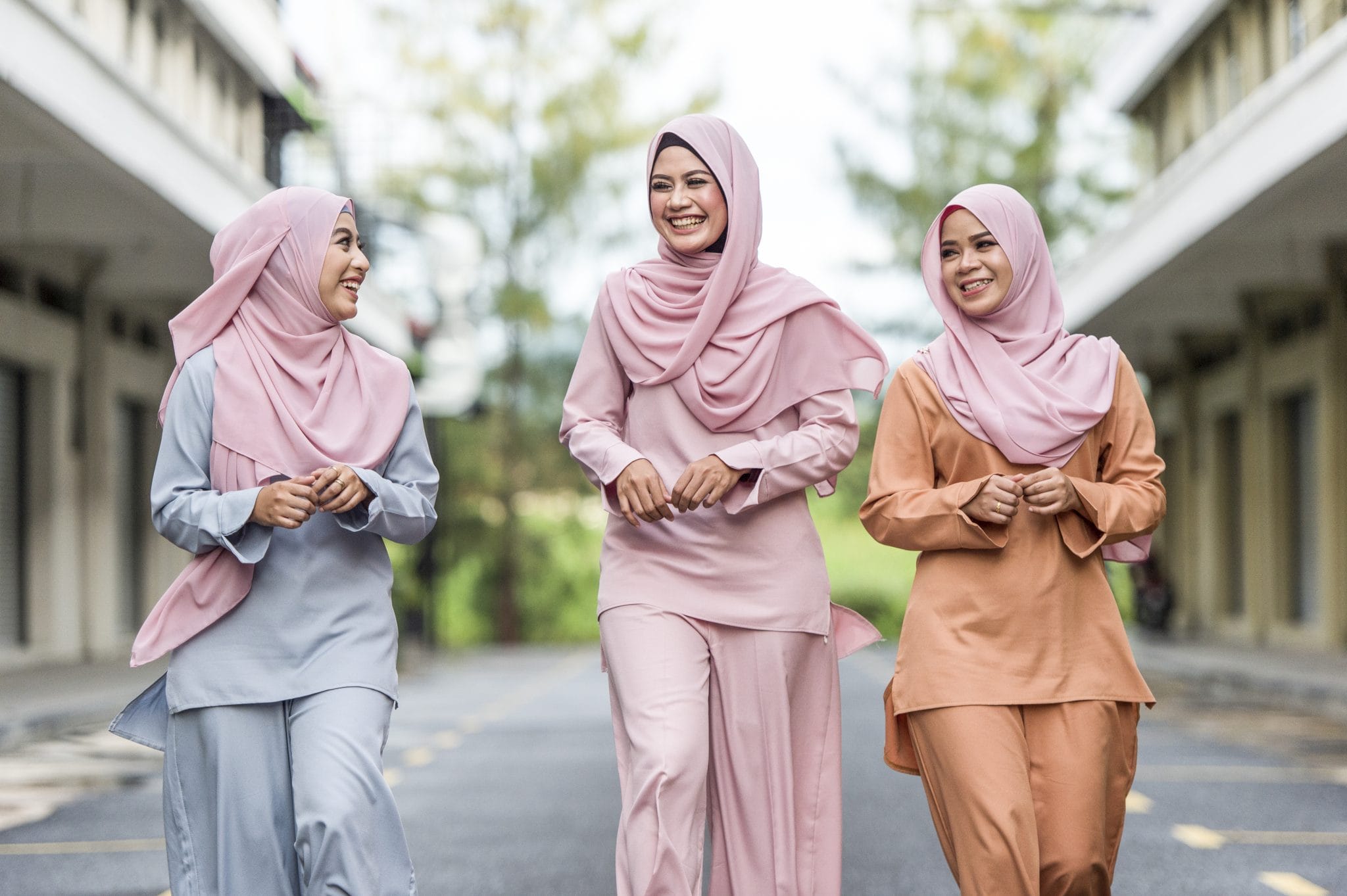
Muslim girls and women face unique challenges when trying to compete in various fields due to cultural, social, and sometimes economic barriers. In this blog, we highlight a complex and important issue: the interplay between culture and Islamic teachings, which significantly shapes gender issues in many communities. Addressing this issue requires a sensitive approach that respects cultural identities while advocating for justice and equality.
Muslim women have made significant contributions and played vital roles in various fields such as politics, education, business, and activism. They have a long and rich history of leadership, breaking barriers, and dispelling prejudice. Empowerment, community support, and educational initiatives are crucial in helping them overcome these challenges. Here are several key ways that have played central roles in overcoming cultural barriers, illustrated through the inspiring stories of empowered Muslim women:
1. Empowerment through Education
Islamic teachings encourage women to seek knowledge and education. Many Muslim communities have recognized the importance of education, though women in some regions still face challenges in accessing it.
Malala Yousafzai began her fight for girls’ education as an activist in Pakistan and became the youngest Nobel Peace Prize laureate. In her book “I Am Malala” she states, “One child, one teacher, one pen, and one book can change the world.” Through the Malala Fund’s Education Champion Network, she fought for the free and safe education of girls.
2. Intersectionality
Intersectionality, a term and framework developed by legal scholar Kimberlé Crenshaw in 1989, highlights various forms of oppression that are interconnected and cannot be fully understood in isolation. It is necessary to understand the experiences of racialized Muslims through the prism of intersectionality.
Ilhan Omar, a U.S. politician and member of the Democratic-Farmer-Labor Party, has become a prominent figure in contemporary American politics. Her outspoken views and advocacy make her a strong voice for justice and rights. She has spoken on numerous issues, including education and foreign policy. In a recent press release on September 20, 2024, she presented a resolution to condemn bigotry towards Haitian people, promoting understanding, empathy, and respect for diversity.
Along with Ilhan Omar, Rashida Tlaib also made history as one of the first Muslim women elected to Congress. Her political stances include advocating for justice, universal healthcare, and workers’ rights.
3. Entrepreneurial Spirit
The entrepreneurial spirit embodies a mindset and attitude characterized by:
- Innovation
- Risk-taking
- Resilience
- Adaptability
- Passion
- Initiative
One of the key advantages of entrepreneurial spirit is its broad vision, applicable not only in business but also in established companies, non-profit organizations, and personal projects. Among Muslim women, this spirit is a blend of empowerment, innovation, and resilience, significantly contributing to society.
For example, Faduma Mohamed, the founder of the Somali-owned clothing brand “Modest Fashion,” promotes modest attire while also providing job opportunities for Somali women. Similarly, Huda Kattan, an Iraqi-American entrepreneur and beauty influencer, founded Huda Beauty, a cosmetics line that gained international recognition. Both women demonstrate how passion, creativity, and an understanding of market needs can drive success, highlighting the importance of representation and the power of social media in modern entrepreneurship.
4. Voice in Activism
Voice in activism refers to the role of expression and communication in advocating for change, justice, and equality. There are two types of voices in activism:
Metaphorical Voice:
This unique style or point of view nurtures activism through written words rather than spoken ones, often conveying the views of others.
Literal Voice:
This refers to the physical sound produced by a person when they speak, sing, or communicate audibly, reflecting their tone, volume, or pitch.
Amani Al-Khatahtbeh, the founder of MuslimGirl.com, is a writer and activist focused on empowering Muslim women and amplifying their voices in media and politics. Additionally, Bano Qudsia, a prominent Urdu novelist, wrote stories revolving around themes of love, sacrifice, and the complexities of human relationships, offering deep insights with her distinctive narrative style.
5. Leadership in Sports
Why is leadership in sports needed to overcome barriers? Because it plays a vital role both on and off the field. Leaders in sports—such as coaches, team captains, and players—influence their surroundings and create a positive team culture, inspiring others and breaking barriers.
- Darya Klishina (Russia): Though representing Russia, she embraces her Muslim background and supports female athletes.
- Fatma Samoura (Senegal): As the first woman and African to serve as FIFA Secretary General, she has significantly impacted women’s involvement in sports leadership globally.
6. Artistic Expression
Artistic expression is a medium to convey ideas, emotions, and experiences, going beyond words. Some of the forms of artistic expression include:
- Visual arts
- Writing
- Fashion
- Crafts
- Design
These forms are effective ways to empower those around us. Amena Khan, a British influencer and businesswoman, was the first hijab-wearing woman to feature in a mainstream beauty campaign for L’Oréal in 2017. Shazia Sikander, a Pakistani visual artist, blends traditional Indo-Persian miniature painting with digital media, exploring cultural identity, history, and gender using both traditional and modern techniques.
Memoir writing has also become a popular form for Muslim women to express their stories, providing insight into their everyday realities. Ghada Karmi, a Palestinian-origin doctor and author, has beautifully expressed her experiences in her memoir “In Search of Fatima.” Her work illustrates how the political can become personal.
7. Legal Advocacy
Legal advocacy focuses on various areas such as civil rights, environmental justice, gender equality, and immigration. It plays a crucial role in systemic change, ensuring fair empowerment for all.
Islamic legal advocacy may vary in different regions. For example, in Pakistan, inheritance distribution is primarily governed by Islamic law, with specific rules on property division among heirs. However, cultural practices and regional traditions often influence these practices, leading to discrepancies in inheritance distribution, particularly in rural areas.
Malala Yousafzai has worked with international legal bodies to promote girls’ rights, while Shirin Ebadi, an Iranian lawyer and Nobel Peace Prize laureate, is an advocate for human rights, particularly those of women and children. Fatima Bhutto, author of “Songs of Blood and Sword,” promotes legal reforms in Pakistan, emphasizing the rule of law.
Conclusion
- Courage in Faith: True faith can overcome the greatest barriers of power, culture, and oppression.
- Patience: Patience and calmness during personal struggles can foster righteousness and resilience.
- Defiance Against Injustice: Challenging cultural norms and powerful systems demonstrates that true justice lies in pursuing the truth.
- Fruitful Stories: Stories of empowerment remind us that spiritual conviction transcends barriers, allowing individuals to stay true to themselves and their purpose, even when facing adversity.
- Legacy: A lasting legacy continues to inspire women worldwide who struggle against oppression and injustice.


